


What Is Tire Balancing and Why Does It Matter?
At the C. Harper Chevrolet dealership in Belle Vernon, PA, we’re known for going the extra mile to provide our customers with the finest prices, most aggressive financing deals, and superior maintenance and servicing of today’s most accomplished Chevrolet models. From the legendary Silverado 1500 pickup, the incredibly powerful Chevy Tahoe, Suburban, and Trailblazer, the off-road-dominant Chevrolet Colorado pickup, to the eye-catching, family-friendly Chevrolet Equinox and Traverse SUVs, you’re guaranteed to find the vehicle of your dreams.
Our certified technicians and mechanics are factory-trained experts who deep dive into the inner workings of today’s market-leading Chevrolet SUVs and pickups. It’s this commitment to excellence in service and maintenance that ensures drivers from Belle Vernon, Greensburg, Monessen, McKeesport, Canonsburg, Mount Pleasant, Pittsburgh, and surrounding Southwestern Pennsylvania communities get the very best tire balancing services.
So, why does your vehicle need wheel balancing? More importantly, what is car tire balancing and what is the process to balance tires?
Key Takeaways
- Tire balancing corrects uneven weight distribution on each tire and wheel assembly using computerized equipment and small balancing weights.
- Balanced tires last longer, reduce steering vibration, and lower stress on the suspension and steering components.
- Warning signs include steering wheel shake, floor vibrations, uneven tread wear, and a rough or bouncy ride.
- Most vehicles should have tires balanced every 6,000 to 8,000 miles, whenever new tires are installed, or if vibrations occur.
- C. Harper Chevrolet's factory-trained technicians serve Belle Vernon and surrounding Southwestern Pennsylvania communities.
What is Tire Balancing
When our service team performs a tire balancing, they are correcting uneven weight distribution on each tire and each wheel assembly. Our technicians use computerized balancing equipment so they can pinpoint imbalances in weight through small balancing weights attached to the tire and assembly.
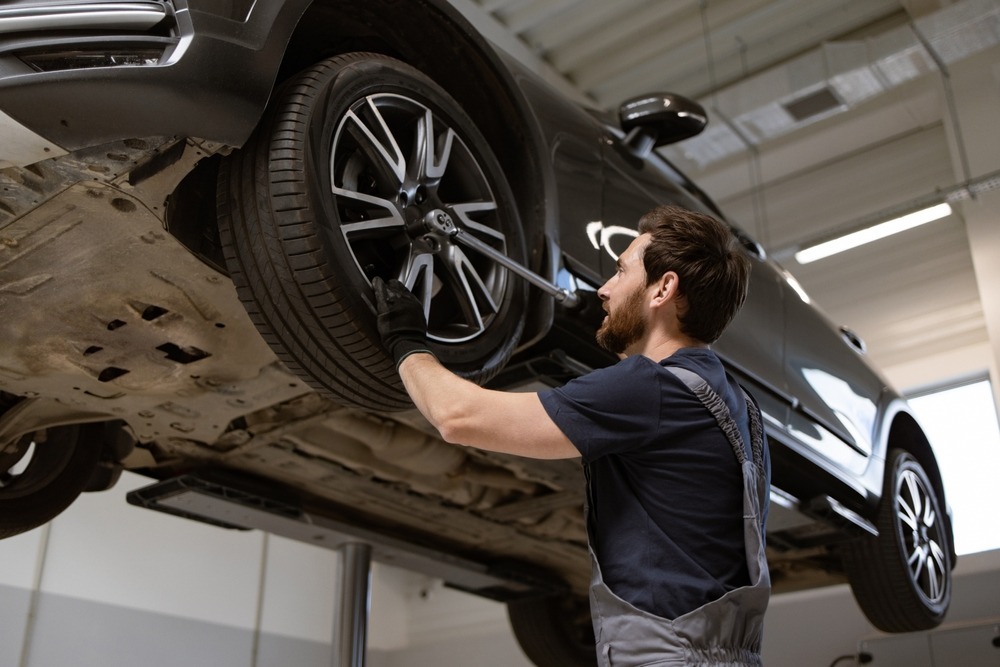
We start by removing the wheel and mounting it on a balancing machine. This balancing machine has a computer that balances the wheel. Next, the wheel assembly is spun by the machine to locate heavy spots. Small weights are then attached, and we re-spin the wheel to verify proper balancing. Afterwards, we reinstall the wheel. We repeat this process for all wheels.
Remove the wheel.
Mount it on a computerized balancing machine.
Spin the assembly to locate heavy spots.
Attach small balancing weights.
Re-spin to verify proper balance.
Reinstall the wheel.
Why Does Your Vehicle Need Its Tires Balanced?
There are several important reasons why tires need balancing. First, regular balancing of your tires helps to extend the life of those tires. It reduces uneven tire tread wear, which means your tires last longer and you save more money. Second, balancing improves steering and reduces steering wheel vibration. A properly balanced set of tires is much easier to control than a vehicle whose tires are unbalanced.
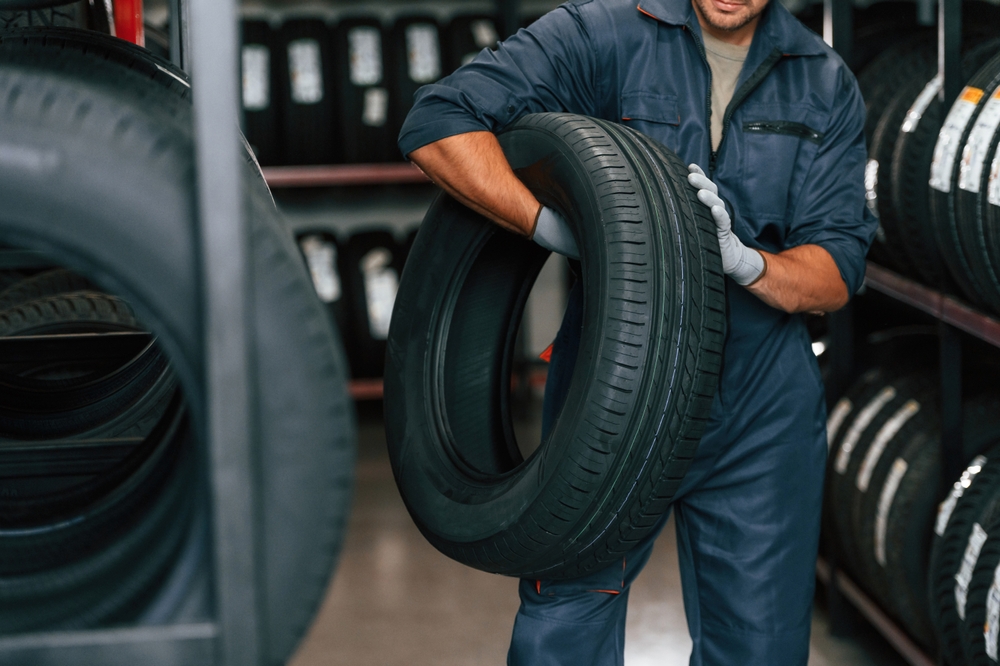
Third, having your tires balanced helps to reduce the stress on your vehicle’s suspension, undercarriage components, and steering column and components. Driving control improves, comfort improves, and you enjoy a smoother and more enjoyable ride.
How do I Know if My Tires Need to be Balanced?
When your tires are unbalanced, you’ll often feel your steering wheel vibrate and shake. This may increase in frequency at higher speeds. You may sometimes feel vibrations in the floor. Another sign you might need tire balancing is uneven tire tread wear. Many Chevy owners regularly inspect their tire treads.

As important as these warning signs are, there are some lesser-known ones. If your ride feels rough, jerky, or bouncy, then your tires might need to be balanced. If you recently hit a pothole or curb and then notice problems steering, then one or two of your tires may have become unbalanced. Once that occurs, the unbalancing extends to the other tires as they try to compensate.
Finally, sometimes when new tires are installed, they aren’t installed properly and aren’t properly balanced. This can occur at certain service centers that lack the proper processes.
When Should You Have Your Tires Balanced?
Every Chevrolet owner’s manual indicates when tires should be balanced. The manufacturer’s suggested maintenance schedule will provide insight into milestones for servicing and maintenance. However, for most vehicles, it’s suggested to have your tires balanced every 6,000 to 8,000 miles.
Any time you have new tires installed, those tires should be properly balanced. If you are driving and suddenly feel vibrations in your steering wheel, then balancing is needed.
Book Your Tire Balancing at C. Harper Chevrolet Today
At C. Harper Chevrolet, our parts and service team is always ready to help Chevy owners with whatever problems they may have. Our focus is on providing you with a hassle-free and stress-free servicing experience. No matter what your vehicle needs, our team will be ready to serve.
To book your tire balancing at our service center or to have other work done, call our service team at 724-558-8195 or contact us online.