


What Is Transmission Fluid Replacement
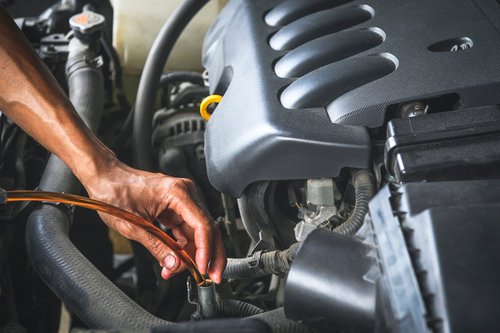
What You Need to Know About a Transmission Drain & Refill
C. Harper Chevrolet Service Center | Belle Vernon, PA
Your transmission relies on fluid to maintain hydraulic pressure and lubricate moving parts. While topping up as necessary is recommended, it won't replace the need for a partial to full replacement of the fluid. In addition to partial fluid changes, you may need a complete fluid Drain & Refill to keep your Chevrolet vehicle performing as expected. Without a Drain & Refill when it's recommended, you're likely to experience transmission issues like grinding gears, jerky response to acceleration, and the eventual need for a transmission replacement. Here's what you need to know about getting a transmission Drain & Refill at our service center here at C. Harper Chevrolet.
Transmission Drain & Refill vs. Transmission Fluid Change
A basic transmission fluid change replaces only around 30% to 50% of the fluid in the system. If it's simply drained out at the bottom of the transmission pan, much of the fluid remains trapped in the complex interior. That's fine for routine maintenance every 30,000 to 50,000 miles. If you tow or haul a lot of weight, stick to the low end of that mileage range.
For a more thorough removal of sludge and deposits from hundreds of thousands of miles, it's necessary to hook up a machine to pressurize the transmission. This allows for close to 100% removal of the fluid. That's what sets a transmission Drain & Refill apart from the basic fluid change.

Is a Transmission Drain & Refill Necessary?
Transmission Drain & Refilles are not as necessary as basic fluid changes. They're best applied when you suspect issues with your transmission or have concerns about the condition of the fluid left in the system during a change. For example, if a fluid sample shows signs of burning or fine shavings from transmission parts, a Drain & Refill is a good idea. However, they work best when you have kept up with routine fluid changes.
How Often Should You Drain & Refill Transmission Fluid?
You should only invest in a transmission Drain & Refill when recommended by the service technicians at our service center. They'll let you know if there are signs during routine fluid tests and changes that indicate the need for one. Most Chevy vehicles won't need one until they're above the 150,000 mile mark. Focus on keeping transmission fluid levels steady, check for leaks and address them quickly, and get basic fluid changes every 30,000 to 50,000 miles to reduce the need for a more intensive Drain & Refill procedure. You're unlikely to need more than one or two transmission Drain & Refilles during the lifespan of your vehicle, unless you drive a heavy-duty towing vehicle that puts more wear on its fluid.
When Should You Do a Transmission Drain & Refill?
Broken-down transmission fluid means it's best to completely Drain & Refill the system. When driving, you may notice hesitation or jerking motions when shifting between gears, whether your vehicle is automatic or manual. You may also hear the engine revving suddenly and loudly as it slips out of gear. When examining the transmission fluid, you may see a milky pink, rusty, dark brown, or black appearance. All of these issues indicate the fluid has failed and needs complete replacement. If you tow a lot or drive in constant stop-and-go traffic as a commercial driver, you may need a transmission Drain & Refill as often as every 60,000 to 80,000 miles. Having your transmission fluid tested regularly is the best way to know what intervals to use for this essential maintenance procedure.
How Important Is a Transmission Drain & Refill?
Transmission Drain & Refill procedures can save your transmission if it's completed in time. If it's recommended by one of our service technicians, don't put it off. A full replacement of the fluid reduces wear and damage to the transmission, protecting the rest of the vehicle at the same time. Keeping on top of routine fluid changes will help prevent the need for a full Drain & Refill, but it won't completely replace it. Only a pressurized removal of all fluid will restore your transmission's performance once you experience lurching and erratic acceleration.
When Should You Avoid a Transmission Drain & Refill?
In high-mileage cars with a long history of heavy use and few to no fluid changes, a transmission Drain & Refill has the potential to cause more damage than it prevents. This is relatively rare, with most vehicles receiving enough transmission maintenance over the years to handle a Drain & Refill. The technician handling your transmission repairs can assess your vehicle's overall age and condition to determine if a Drain & Refill is recommended or not. If your transmission already needs repairs or replacement anyway due to age, a fluid Drain & Refill could still extend its lifespan at a lower cost.
Bring your Chevy in to C. Harper Chevrolet to keep your transmission shifting smoothly with the help of our service center.
Schedule ServiceTransmission Drain & Refill FAQs
How often should I change my transmission fluid?
Basic transmission fluid changes are recommended every 30,000 to 50,000 miles. If you tow or haul a lot of weight, stay at the low end of that range.
What are the signs my Chevy needs a transmission Drain & Refill?
Watch for hesitation or jerking when shifting gears, or the engine revving suddenly and loudly as it slips out of gear. Transmission fluid that looks milky pink, rusty, dark brown, or black is also a sign the fluid has failed and needs complete replacement.
Can a transmission Drain & Refill cause damage?
In rare cases, yes. High-mileage vehicles with a long history of heavy use and few to no fluid changes may be at risk. A C. Harper Chevrolet service technician can assess your vehicle's age and condition to decide whether a Drain & Refill is recommended.