
What's the Difference Between Leasing, Financing, and Paying Cash?
The biggest difference is ownership. A lease lets you drive a vehicle without owning it, financing lets you own it over time, and paying cash makes it yours on day one. If you've wondered “What's the difference between finance and lease?” it comes down to whether your payments build toward the title.
Picking out your next Chevy is the fun part. Figuring out how to pay for it takes a little more thought. At C. Harper Chevrolet in Belle Vernon, drivers ask about lease vs. finance vs. cash all the time, so here's a clear look at how each option works.
Key Takeaways
- Leasing lets you drive a vehicle for a set term, usually two to four years, with mileage limits.
- Financing uses an auto loan, and the title is yours once the loan is paid off.
- Paying cash means immediate ownership with no monthly payments or interest.
- Leasing typically has the lowest monthly payment, while cash usually has the lowest total cost.
- The right choice depends on your budget, annual mileage, and how long you plan to keep the vehicle.
What Is Car Leasing?
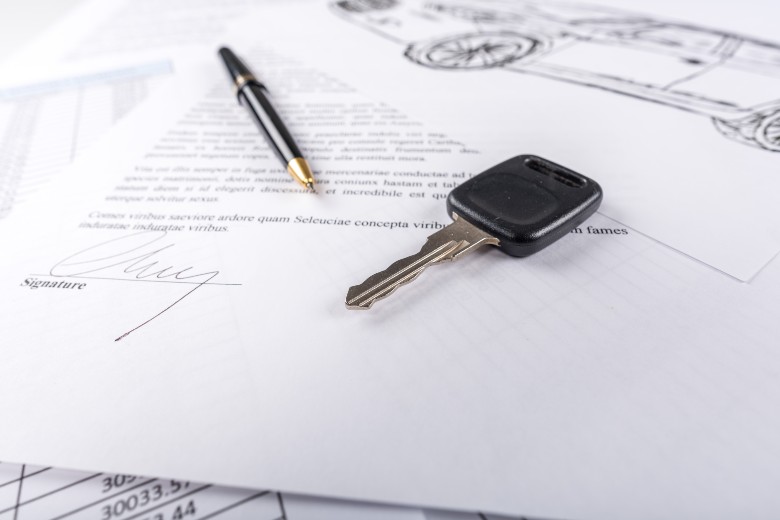
A lease works like a long-term rental. You make monthly payments to drive a new vehicle for a set term with an agreed-upon annual mileage limit. When it ends, you can return the vehicle, buy it for a predetermined price, or lease a new one.
So, what is lease cash? It's an incentive applied specifically to a lease that can lower your monthly payment or amount due at signing. Offers vary by model and month, so it's worth asking what's currently available.
What Is Car Financing?
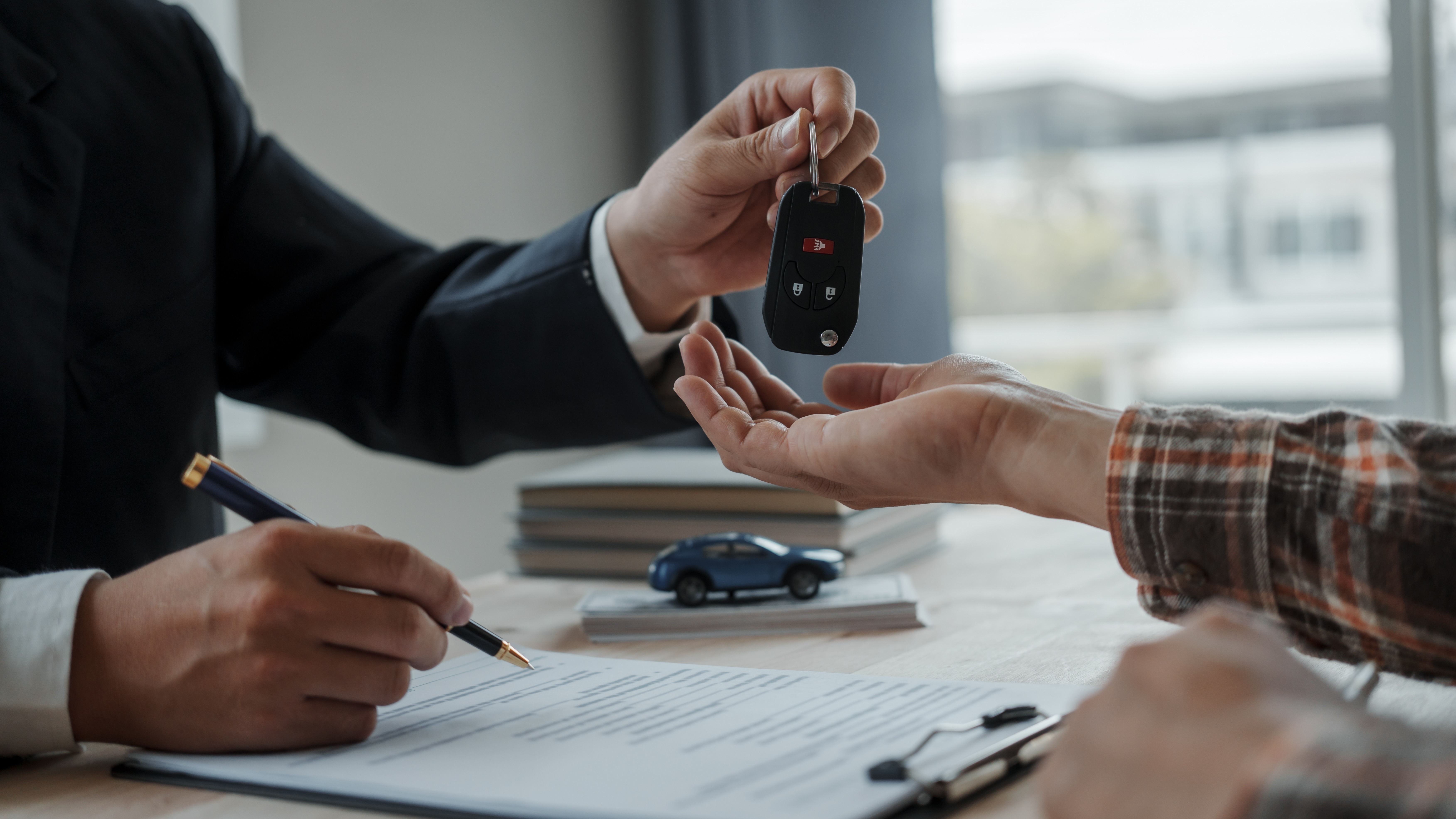
Financing means taking out an auto loan to buy the vehicle. You'll usually make a down payment, then pay a fixed monthly amount that includes interest. Once the loan is paid off, the title is yours to keep, sell, or trade.
What Does Paying Cash Mean?
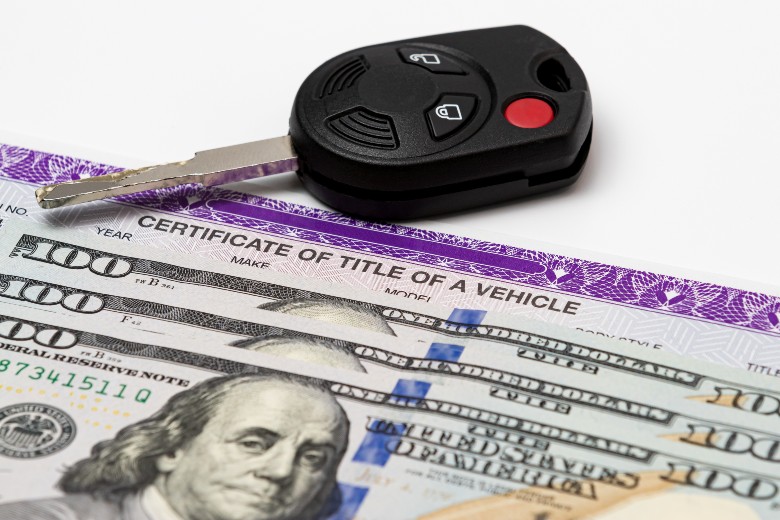
Paying cash means covering the full purchase price up front, including applicable taxes and fees. There's no loan, no monthly payment, and no interest. The vehicle is yours outright from the moment the paperwork is signed.
What Are the Pros and Cons of Each Option?
Each method trades off something different. Leasing favors lower monthly costs, financing favors ownership with manageable payments, and cash favors the lowest overall cost. This table shows the key differences side by side.
Is It Better to Lease or Buy a Car?
Is it better to lease or buy a car? It depends on how you drive and how long you keep your vehicles. Leasing suits drivers who want lower payments and something new every few years, while buying suits high-mileage drivers and those who keep a vehicle long-term.
Your Annual Mileage
Start with mileage. If you commute up Route 51 or I-70 toward Pittsburgh, the miles add up quickly, and lease limits (often 10,000 to 15,000 miles per year) may feel tight. Financing or paying cash avoids overage fees.
Your Savings Cushion
Then think about savings. The finance vs. own car decision often hinges on your cash cushion. If paying cash would drain your emergency fund, financing keeps that money available while you build equity.
Ease of the Transaction
And is it easier to lease or buy a car? Paying cash is the simplest transaction. Leasing and financing both require a credit application, and lease approval may sometimes require stronger credit.
Lease, Finance, or Cash: Which Fits You?
There's no single right way to pay. Leasing keeps monthly costs low, financing builds ownership over time, and cash offers the lowest total cost with no debt. Our team at C. Harper Chevrolet in Belle Vernon is happy to help you compare the numbers on the Chevy you have in mind.
Ready to see how each option would work on a new Chevrolet? Browse our new Chevy inventory, check current offers, or reach out to our team with questions. We'll lay out your options clearly so you can choose with confidence.
FAQ
Can I buy my car at the end of a lease?
Yes. Most leases include a purchase option at a price set in the original agreement.
What happens if I go over my lease mileage limit?
You'll typically pay a per-mile charge for overage miles when you return the vehicle. If you expect to drive more, you can often choose a higher mileage allowance up front.
Does paying cash for a car help my credit score?
No. Paying cash doesn't create a payment history, so it won't build credit the way on-time lease or loan payments can.
Is lease cash available on every Chevrolet model?
No. Lease cash offers vary by model, trim, and timing. Check current offers or ask our sales team what's available.
What is lease cash on a car?
Lease cash is an incentive applied specifically to a lease. It can lower your monthly payment or the amount you pay at signing, and the offers change by model and month.
Which option has the lowest monthly payment: leasing, financing, or cash?
Leasing typically has the lowest monthly payment. Financing runs moderate to higher each month, and paying cash means no monthly payment at all.
Which way of paying for a car costs the least overall?
Paying cash usually has the lowest total cost, since there's no loan and no interest to pay over time.
How long does a typical car lease last?
Most leases run for a set term of two to four years and come with an annual mileage limit.
How many miles per year does a car lease usually allow?
Lease limits often fall between 10,000 and 15,000 miles per year. Drivers who rack up miles commuting may find financing or paying cash a better fit, since neither has overage fees.
What are my options when my lease ends?
At the end of a lease, you can return the vehicle, buy it for the predetermined price, or lease a new one.
When do I own a car I financed?
Once the auto loan is paid off, the title is yours to keep, sell, or trade.
Is it easier to lease or buy a car?
Paying cash is the simplest transaction. Leasing and financing both require a credit application, and lease approval may sometimes call for stronger credit.