


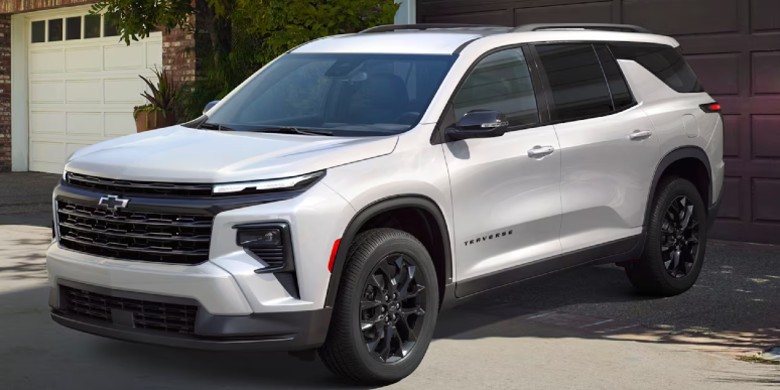
AWD vs. 4WD: What's the Difference?
If you've ever been shopping for a new vehicle and found yourself staring at the spec sheet, trying to figure out the AWD vs. 4WD situation, you're not alone. It's one of the most common questions our team at C. Harper Chevrolet hears from drivers in the Belle Vernon, PA area, especially when Western Pennsylvania winters start creeping in. Both systems give you extra traction, but they work in pretty different ways — and knowing which one fits your lifestyle can make a big difference in how happy you are with your next vehicle.
Key Takeaways
- AWD (All-Wheel Drive) automatically sends power to all four wheels, with no driver input required — ideal for everyday driving in wet, snowy, or slippery conditions.
- 4WD (Four-Wheel Drive) is a driver-selectable system designed for serious off-road use and heavy-duty traction.
- AWD is typically found on cars, crossovers, and SUVs; 4WD is most common on trucks and body-on-frame SUVs.
- Both systems improve traction over two-wheel drive, but they're engineered for different purposes and driving environments.
- The right choice depends on how you drive, where you drive, and what you need your vehicle to do day-to-day.
What Is the Difference Between AWD and 4WD?
The difference between AWD and 4WD really comes down to how each system delivers power to your wheels — and when.
AWD works automatically and constantly. It monitors road conditions and adjusts torque distribution between the front and rear axles in real time, without you having to think about it. It's always on and always working.
4WD, on the other hand, is a system you engage manually — usually through a dial, button, or lever. It locks the front and rear axles together so they spin at the same speed, which delivers maximum traction in rough terrain. But because of that locked configuration, it's not meant for normal road driving.
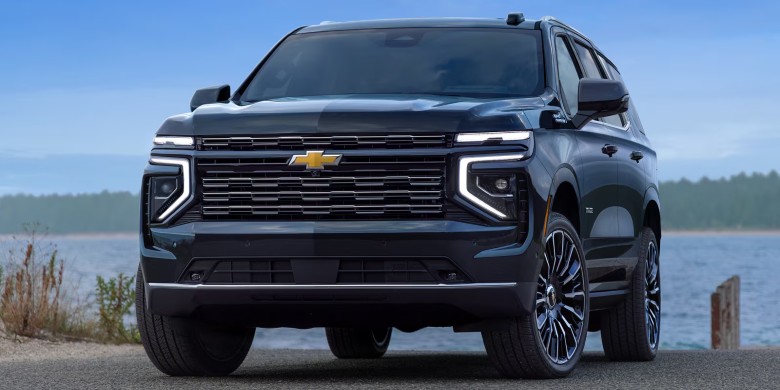
Here in southwestern PA, you deal with a little bit of everything — slushy highways after a snowstorm, slick backroads in the fall, and the occasional muddy lot. AWD handles all of that without you lifting a finger. It's seamless, which is why it's the go-to choice for daily commuters and families who want added confidence without the complexity. 4WD shines in more extreme scenarios: pulling a trailer through a muddy field, crawling over rocky terrain on a hunting trip, or navigating deeply rutted roads that would stop a standard vehicle cold. Most 4WD systems also offer a low-range gear (4Lo) for maximum torque at low speeds — something AWD simply doesn't offer. Understanding the difference between AWD and 4WD helps you pick the right tool for the right job.
How Does AWD Work, and What Are Its Benefits?
AWD is always active, always monitoring, and always ready — with zero effort from the driver. It's what makes it so appealing for everyday use.
Modern AWD systems use sensors and a central differential to continuously distribute torque between axles (and sometimes individual wheels) depending on grip. When one wheel starts to slip, the system automatically shifts power to the wheels with better traction. You don't have to remember to engage it or disengage it when you get back on dry pavement.

The biggest benefit of AWD is convenience. You never have to think about it — it just works. That's a huge deal for busy drivers who need their vehicle to handle whatever the road throws at them, whether it's a rainy Tuesday morning commute or an unexpected early-season snowfall. AWD also tends to improve handling and stability in a broader range of everyday conditions, which is why it's the dominant drivetrain choice for crossovers and SUVs. It's worth noting that AWD vs. 4WD isn't just a question of capability — it's a question of lifestyle. If most of your miles are on highways and in suburban driving, with occasional rough weather, AWD is almost always the more practical and comfortable choice. Many Chevy models at C. Harper offer available AWD that works quietly in the background, keeping you planted without adding complexity to your drive.
Quick AWD Benefit Breakdown
- Always-on traction without driver action
- Better wet- and snow-weather performance vs. two-wheel drive
- Smoother, more comfortable on-road handling
- Great fuel efficiency compared to traditional 4WD systems
- Works well in light-to-moderate off-road conditions
How Does 4WD Work, and Who Really Needs It?
4WD is built for the toughest conditions on the planet — and it's the right call when you're regularly pushing beyond what normal roads can offer.
When you engage 4WD, the front and rear axles are mechanically locked together, meaning both spin at the same rate for maximum traction. In 4Hi, you get added grip at normal speeds. In 4Lo, you get dramatically increased torque for slow-speed crawling over obstacles.

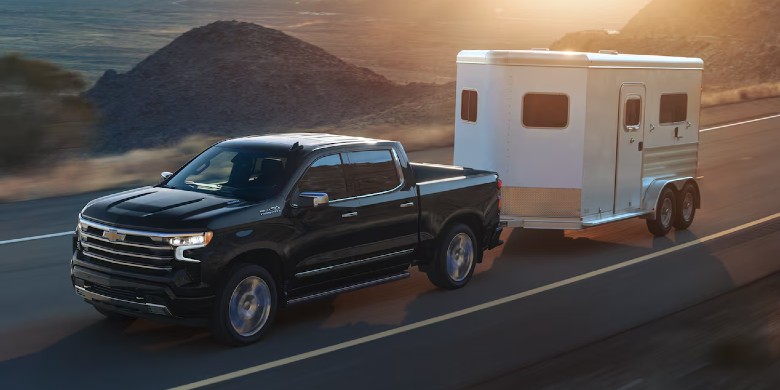
If your weekends involve towing a heavy boat, hunting in remote areas, working on a job site, or heading off the beaten path in any serious way, 4WD is the system designed for you. It's also the better choice for drivers who regularly navigate deep snow, ice-covered rural roads, or steep unpaved grades. Trucks like the Chevrolet Silverado come with capable 4WD systems that give you that extra muscle when you need it most. The tradeoff? On dry pavement, 4WD is less efficient and can actually cause drivetrain binding if left engaged too long. That's why it's designed to be switched on and off. For the right driver, though, that tradeoff is absolutely worth it. Understanding AWD vs. 4WD in this context means recognizing that 4WD is a specialized tool — and a powerful one.
AWD vs. 4WD Comparison at a Glance
| Factor | AWD | 4WD |
|---|---|---|
| Driver input required | No — always active | Yes — manually engaged |
| Best terrain | Roads, light off-road | Heavy off-road, deep snow, towing |
| Fuel efficiency | Generally better | Lower when engaged |
| On-road usability | Excellent | Not recommended on dry pavement in 4WD |
| Low-range gear | No | Yes (4Lo) |
| Common vehicle types | Cars, crossovers, SUVs | Trucks, body-on-frame SUVs |
Which Is Right for You?
Here's the truth: for most drivers around Belle Vernon and the greater Pittsburgh region, AWD covers everything you need. It's the smarter everyday choice for commuters, families, and people who want added confidence in mixed weather without complexity. If you're buying a crossover or a family hauler, AWD is probably your best bet.
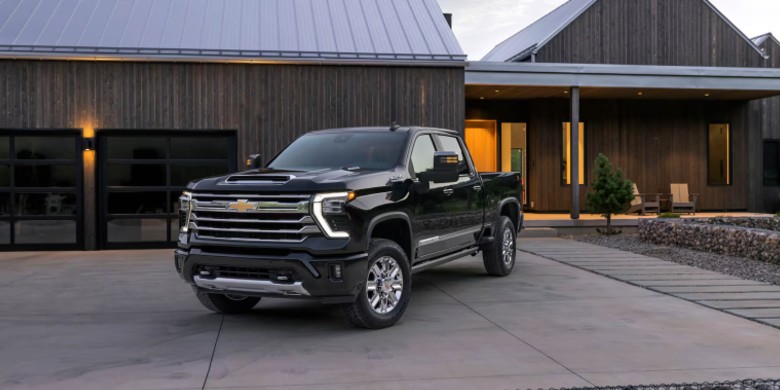
But if you're a truck owner, a serious tower, an off-road enthusiast, or someone who regularly drives in deep snow on unplowed back roads, 4WD gives you power and capability that AWD simply can't match. The good news? At C. Harper Chevrolet in Belle Vernon, PA, our team can walk you through exactly which Chevy models offer the right drivetrain for your real-world driving needs. Whether you're leaning toward an Equinox AWD or a Silverado with 4WD, there's a right answer — and it's not one-size-fits-all.

Explore Your Options at C. Harper Chevrolet
Not sure whether AWD or 4WD is the right fit for your next vehicle? That's exactly what our team at C. Harper Chevrolet in Belle Vernon is here for. Stop in, browse the inventory online, or give them a call to talk through your driving habits and find the Chevrolet that checks every box — whatever the weather or the terrain throws at you.
Frequently Asked Questions
Is AWD or 4WD better for snow?
Both improve traction in snow, but AWD is typically better for everyday snowy conditions since it engages automatically. 4WD is more effective for deep snow or more extreme winter terrain where you need maximum grip and torque.
Does AWD or 4WD get better gas mileage?
AWD generally gets better fuel economy than 4WD because it's lighter and operates more efficiently. 4WD systems add mechanical complexity and weight, which reduces fuel efficiency — especially when engaged.
Is a 4WD truck good for daily driving?
Absolutely — just leave the 4WD disengaged for normal driving. Modern trucks at C. Harper Chevrolet, like the Silverado, are designed for comfortable daily use in 2WD mode with 4WD ready whenever you need it.
Do all Chevrolet vehicles come with AWD or 4WD?
Not all, but many popular Chevy models offer available AWD or 4WD. Models like the Equinox, Traverse, and Blazer offer AWD options, while the Silverado, Tahoe, and Suburban are available with 4WD. The team at C. Harper can help you find the right configuration.