



Brake Service
When Do I Need New Brakes
Your brakes are the most important safety system on your vehicle — so it's worth knowing when they're trying to tell you something. If you've been hearing a strange noise when you slow down, or you're wondering "How do I know if I need to change my brakes?" you're in the right place. Here at C. Harper Chevrolet in Belle Vernon, PA, our service team answers these questions every day, and we want to make sure you have the info you need before a small issue becomes a big one.
Brake pads typically last 25,000–65,000 miles, but driving habits, vehicle weight, and terrain all affect how quickly they wear.
Squealing, grinding, vibration, and a soft brake pedal are the clearest signs that service is overdue.
Knowing the brake pad change interval for your specific vehicle helps you stay ahead of wear before symptoms appear.
Ignoring worn brakes puts you, your passengers, and other drivers at serious risk — stopping distances increase significantly.
C. Harper Chevrolet's certified service team in Belle Vernon can inspect, diagnose, and replace your brakes efficiently and correctly.
Diagnosis
How Do You Know If Your Brakes Need Replacing?
The most reliable indicator is sound — specifically, a high-pitched squeal or grinding noise when you apply the brakes. Beyond noise, several other warning signs should prompt a service visit right away.
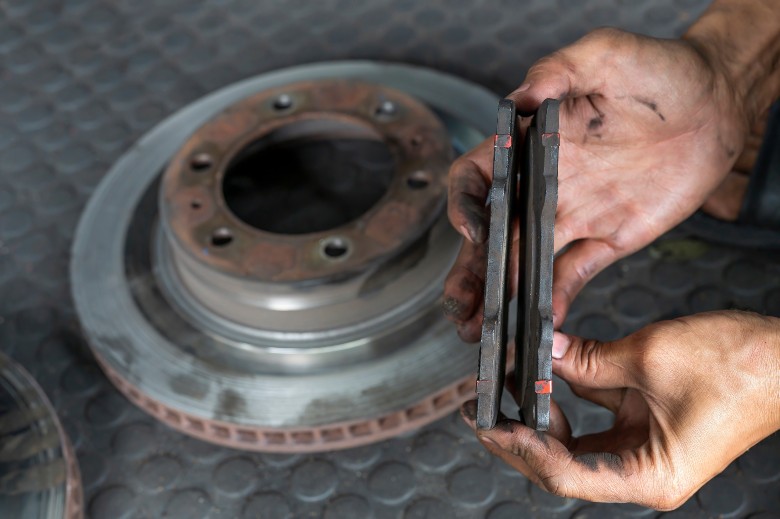
Most modern vehicles have built-in wear indicators on the brake pads themselves. When the pads wear down to a certain thickness, those indicators make contact with the rotor, producing that familiar squealing sound. Think of it as your brakes asking for attention — politely at first, then more urgently if you wait too long.
Common signs your brakes need attention:
- ?Squealing or squeaking when braking (especially first thing in the morning)
- ?Grinding or metal-on-metal sound — indicates pads are fully worn
- ?Vehicle pulls to one side when you brake
- ?Vibration or pulsing through the brake pedal
- ?Soft, spongy, or low-feeling brake pedal
- ?Brake warning light illuminated on the dashboard
- ?Visible thinning of pad material through the wheel spokes
Quick Reference
Warning Signs at a Glance
| Warning Sign | Likely Cause | What to Do |
|---|---|---|
| Squealing / Squeaking | Worn pad wear indicators | Address soon — pads are getting low |
| Grinding Metal Sound | Metal-on-metal rotor contact | Stop driving — immediate service needed |
| Vibration When Braking | Warped rotors | Rotors likely need resurfacing or replacement |
| Pulling to One Side | Uneven pad wear or stuck caliper | Alignment and brake inspection required |
| Soft or Spongy Pedal | Air in brake lines or a fluid leak | Safety risk — do not delay service |
| Dashboard Warning Light | Pad wear sensor triggered | Schedule inspection promptly |
Service Intervals
How Often Should You Replace Brake Pads and Rotors?
There's no single answer — it depends on how you drive, what you drive, and where you drive. A general rule: brake pads need replacing every 25,000–65,000 miles, and rotors every 30,000–70,000 miles. That range exists for good reason.
Here in southwestern Pennsylvania, the hilly terrain around Belle Vernon and the Mon Valley can actually wear brakes faster than flat-country driving. Frequent downhill braking heats pads and rotors, accelerating wear over time. Here's how driving style impacts your interval:
25–35k
City / Stop-and-Go
Frequent braking in traffic puts maximum stress on pads. Expect the shorter end of the range.
50–65k
Highway Majority
Gradual, smooth braking at lower frequency extends pad life significantly.
<20k
Towing / Hauling
Heavier loads demand more braking force with every stop. Intervals shrink fast.
Varies
Hilly / Mountain Terrain
Repeated downhill braking generates heat that accelerates wear on both pads and rotors.
"By the time most drivers notice significant braking problems, the pads have often been dangerously thin for a while."
— C. Harper Chevrolet Service Team, Belle Vernon, PA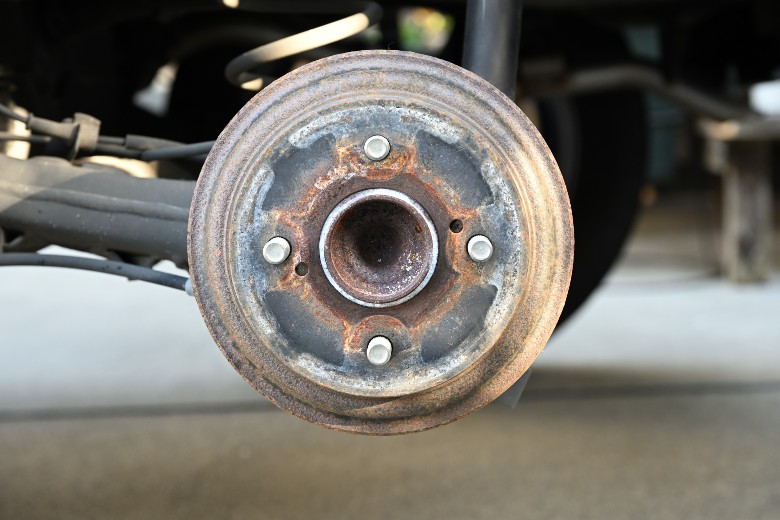
Root Causes
Why Do Brakes Wear Out?
Brakes are a wear item — they're designed to wear down gradually as they do their job. But some factors speed that process up considerably.
The biggest factor is driving style. Hard, aggressive braking generates significantly more heat than smooth, gradual stops. Heat is the enemy of brake components: it glazes pads, warps rotors, and degrades brake fluid. Drivers who ride the brakes on downhill stretches also accelerate wear without realizing it.
Vehicle weight plays a major role, too. Heavier vehicles require more braking force, which is why truck and SUV owners often replace brakes more frequently than sedan drivers.
Other contributing factors:
Poor Parts
Low-quality or incorrect replacement parts installed during a prior service accelerate wear significantly.
Contaminated Fluid
Degraded brake fluid reduces hydraulic efficiency and causes internal corrosion over time.
Seized Calipers
Stuck calipers cause constant pad-to-rotor contact even when you're not braking.
Safety
Is It Safe to Drive With Worn Brakes?
Short answer: No. Driving on worn brakes is one of the more dangerous things you can do behind the wheel — and the risks compound the longer you wait.
When brake pads wear through completely, you lose most of your stopping power. Metal-on-metal contact between the pad backing and the rotor not only damages the rotor (turning a relatively inexpensive pad replacement into a much more costly rotor replacement) but also dramatically reduces braking efficiency. Stopping distances increase — sometimes by 50% or more — which can mean the difference between avoiding a collision and not.
Beyond stopping distance, worn brakes can cause brake fade under heavy use, pull the vehicle dangerously to one side, and, in extreme cases, lead to complete brake failure. A soft or spongy pedal — one that sinks toward the floor — may indicate a brake fluid leak or air in the lines, which is an immediate safety emergency.
Don't Wait on Brake Service — Your Safety Depends on It
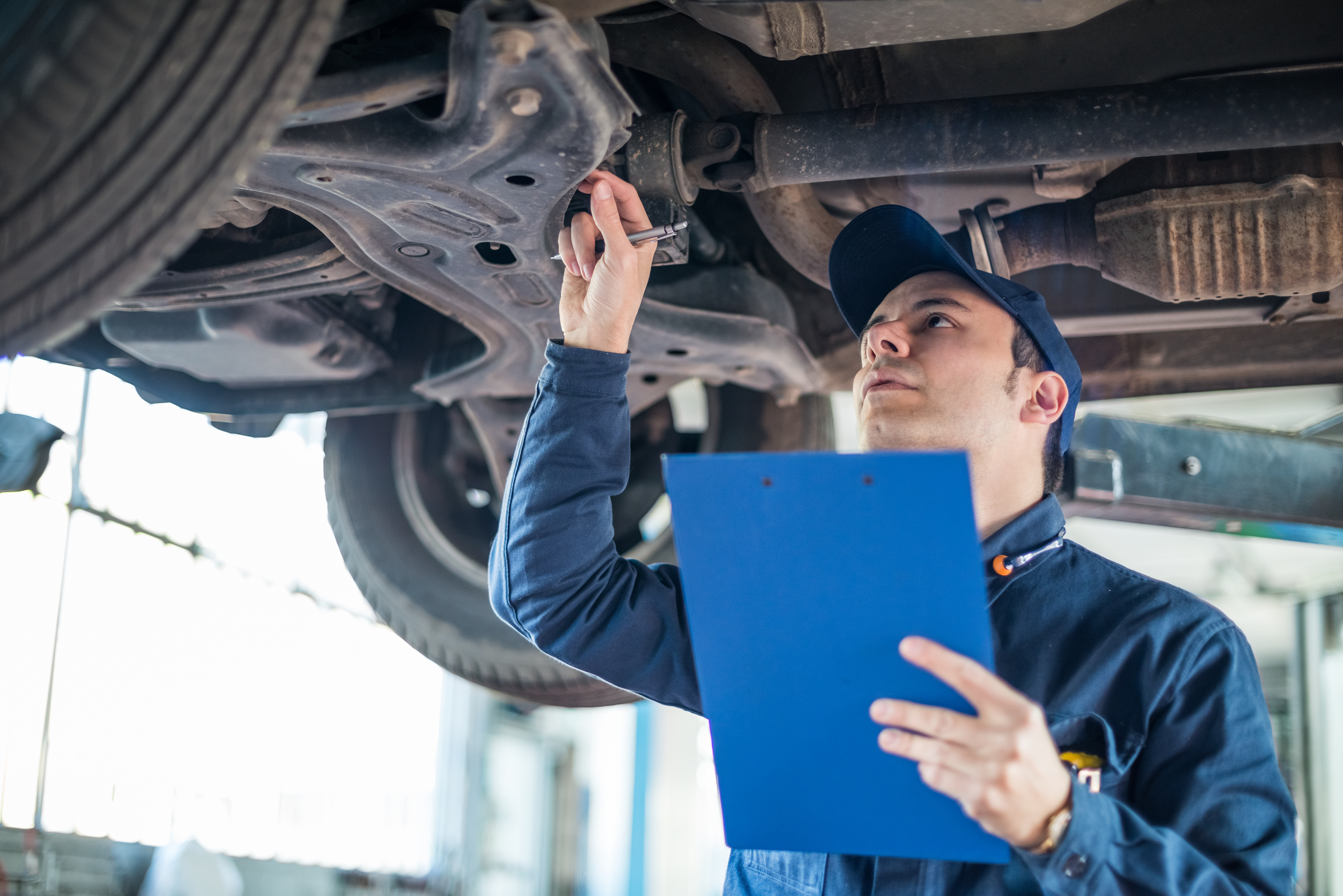
Brakes don't fail overnight — they give you plenty of warning if you know what to listen to and look for. Squealing, grinding, vibration, a soft pedal — all of these are your vehicle's way of telling you something needs attention. At C. Harper Chevrolet in Belle Vernon, PA, our expert technicians are equipped to inspect your brakes, give you an honest assessment, and get the job done right — whether that means a simple pad swap or a full rotor replacement. Don't wait until grinding becomes a crisis. A quick brake inspection is quick, often free, and could genuinely save your life.
Schedule Brake Service at C. Harper Chevrolet
If any of the signs above sound familiar, scheduling a brake inspection at C. Harper Chevrolet in Belle Vernon is an easy next step. Our service team is here to help you stay safe on southwestern Pennsylvania's roads — whether it's a quick check or a full brake job. Give us a call or use our online scheduler to book a time that works for you.
Frequently Asked Questions
How long do brake pads typically last?
Most brake pads last between 25,000 and 65,000 miles, depending on driving habits, vehicle weight, and road conditions. Have them inspected at every oil change to stay ahead of wear.
What's the difference between brake pads and rotors — do I replace both at the same time?
Not always. Pads wear faster than rotors, so it's common to replace pads one or two times before the rotors need attention. However, if rotors are warped, scored, or below the minimum thickness, they should be replaced or resurfaced along with the pads.
Can I drive if my brake warning light is on?
It's not recommended. A brake warning light can indicate low pad thickness, low brake fluid, or a more serious hydraulic issue. Have the vehicle inspected as soon as possible — ideally the same day.
Why do my brakes squeal in the morning but stop after the first few stops?
Light squealing after the vehicle has sat overnight is usually caused by a thin layer of surface rust on the rotors — it's typically harmless and clears up within a few stops. Persistent squealing throughout the day is a different story and usually means the pads are getting thin.
How do I know if I need brake pads, rotors, or both?
A visual inspection will give a technician a clear picture: pad thickness, rotor surface condition, and caliper function all factor in. At C. Harper Chevrolet, our service team will walk you through exactly what needs attention and why — no guesswork, no upselling.