What Is a Coolant Flush & When Do You Need One?
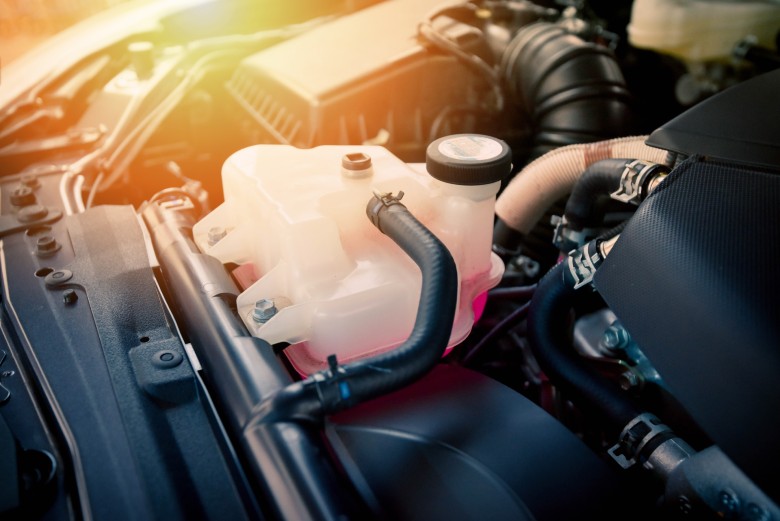
If you've ever popped the hood and noticed a brightly colored liquid reservoir tucked near the engine, you've already seen your vehicle's cooling system at work. That liquid coolant, also called antifreeze, is doing a whole lot more than most drivers realize. Here at C. Harper Chevrolet in Belle Vernon, PA, we talk to customers every week who aren't quite sure what a coolant flush is, let alone whether they actually need one. So let's break it down in plain English.
Key Takeaways
- A coolant flush is a full system replacement — not just a top-off. All old coolant is removed, fresh fluid is added, and the system is cleaned.
- Flushes and drains aren't the same thing — a drain-and-fill leaves old fluid behind; a proper flush clears out the entire system, including the engine block.
- Warning signs matter — rising temperature gauges, discolored coolant, sweet smells, or visible leaks all point to cooling system trouble that shouldn't be ignored.
- Fresh coolant protects more than just temperature — it prevents corrosion, preserves the water pump, and keeps radiator passages clear.
- Staying on schedule saves money — regular coolant maintenance costs far less than repairing the damage caused by neglecting it.
What Is a Coolant Flush, Exactly?
Your engine runs hot — seriously hot. Without a functioning cooling system, the metal components inside your engine would overheat and warp within minutes. Coolant circulates through the engine and radiator, absorbing excess heat and keeping everything operating within a safe temperature range. It also prevents freezing in winter and contains corrosion inhibitors that protect the metal surfaces it flows through.
So what is a coolant flush? Simply put, it's a process where the old coolant is completely removed from your vehicle's cooling system, the system is cleaned out, and fresh coolant is added. It's not just a top-off — it's a full replacement. Think of it as an oil change for your cooling system. The entire reservoir and radiator get flushed so that degraded, contaminated fluid is fully cleared out rather than diluted with new fluid.
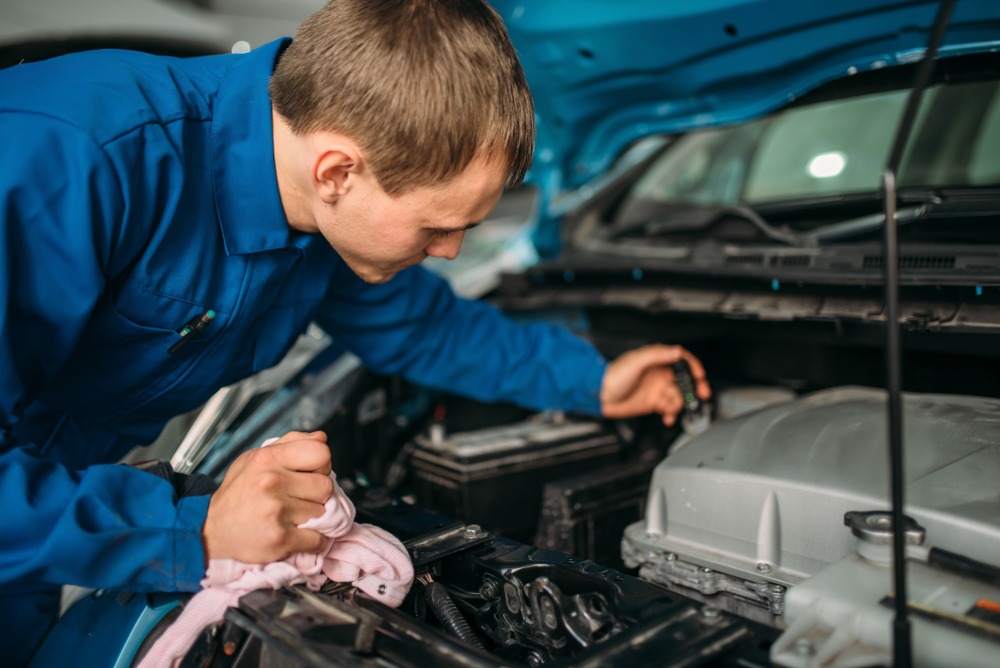
The coolant flush process also typically includes inspecting hoses, the radiator cap, and the thermostat — so it's a bit of a health check for your whole cooling system, not just a fluid swap.
Coolant Flush vs. Coolant Drain: What's the Difference?
These two terms get used interchangeably, but they're not the same thing. A coolant drain — sometimes called a drain-and-fill — is exactly what it sounds like: you drain the fluid from the radiator, then refill it. It's quicker and cheaper, but it doesn't remove all the old coolant. A good portion of the fluid stays behind in the engine block and heater core.
A coolant flush, on the other hand, uses a machine or flushing agent to push new fluid through the entire system until the old coolant is fully expelled. This means you're actually getting a clean slate — no old fluid mixing with the new. If your coolant is really degraded or you're seeing signs of rust or contamination in the reservoir, a proper flush is almost always the better call.
Signs You Might Be Due for a Coolant Flush
Not sure where your vehicle stands? There are a few warning signs worth paying attention to:
- Your temperature gauge is creeping higher than normal, or your engine is running hot.
- The coolant in your reservoir looks brown, rusty, or murky instead of bright green, orange, or pink.
- There's a sweet smell coming from the engine area — this can indicate coolant burning off.
- You notice a visible leak under the front of your vehicle.
- It's been a while since you've had any cooling system service done, and you're not quite sure when it was last flushed.
Any one of these is a good reason to have the system checked. Don't wait until you're dealing with an overheating engine on the side of the road — that's a much worse situation to be in.
It's also worth noting that just because coolant looks okay doesn't mean it's doing its job. Over time, the corrosion inhibitors in the fluid break down, even if the color still looks fine. That's why mileage intervals matter just as much as visual inspection.
What Actually Happens During a Coolant Flush?
When you bring your vehicle in for a coolant flush, here's the general sequence of what takes place:
- The technician inspects the current condition of the coolant and the overall cooling system, looking for leaks, corrosion, or damaged components.
- A flushing agent is often introduced into the system to help break up any buildup or deposits.
- The old coolant is drained completely — including from the engine block, not just the radiator.
- Fresh water or a flushing solution is run through the system to clear it out.
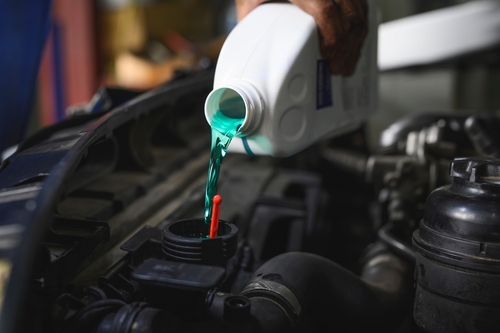
- New coolant is added at the correct mixture (usually 50/50 antifreeze and distilled water, though this can vary by climate and vehicle specs).
- The system is bled of air pockets, the cap is secured, and the vehicle is run to operating temperature to confirm everything is functioning properly.
The whole service typically takes under an hour. It's not a complicated procedure, but it makes a meaningful difference in your engine's performance and the lifespan of your cooling system components.
Are Coolant Flushes Necessary? The Benefits Explained
Are coolant flushes necessary? That's probably the most common question we hear. The honest answer is yes — and not just because it's on a maintenance checklist.
Fresh coolant does several things that degraded fluid can't:
- Protects against corrosion — Old coolant loses its inhibitors, leaving metal surfaces in the engine and radiator vulnerable to rust and pitting.
- Prevents overheating — Clean coolant transfers heat more efficiently than old, contaminated fluid.
- Keeps the water pump healthy — Degraded coolant can cause the water pump's impeller and seals to wear out faster.
- Extends radiator life — Rust and scale buildup from old coolant can clog radiator passages over time.
- Saves money long-term — A coolant flush is a fraction of the cost of replacing a radiator, water pump, or dealing with a blown head gasket caused by overheating.
It's genuinely one of those services that's easy to overlook until something goes wrong. By then, a simple maintenance task has turned into a significant repair bill.
How Often Should You Flush Coolant?
So, how often should you flush coolant? It depends on your vehicle and the type of coolant it uses. Many older vehicles with traditional green coolant need a flush every 2 years or 30,000 miles. Newer vehicles with extended-life coolants can often go 5 years or 100,000+ miles — but you should always check your owner's manual to be sure.
Driving conditions matter too. If you're frequently towing, driving in extreme heat, or doing a lot of stop-and-go city driving, your cooling system is working harder and may need attention sooner.
Keep Your Engine Cool — Don't Skip This One
A coolant flush isn't the flashiest thing on a maintenance schedule. It doesn't come with a warning light or a dramatic symptom right away. But ignoring it long enough will eventually catch up with you — and usually at the worst possible moment.
The cooling system is one of those things that works so quietly and consistently that it's easy to take for granted. Keeping fresh, properly mixed coolant in the system is one of the simplest things you can do to protect your engine and extend your vehicle's life.
If you can't remember the last time you had a coolant flush — or if you're seeing any of the warning signs mentioned above — stop by C. Harper Chevrolet in Belle Vernon, PA. Our service team is happy to take a look and let you know exactly where things stand. No pressure, no guesswork — just honest maintenance advice from people who care about keeping your vehicle running right.
Frequently Asked Questions
How do I know if my coolant needs to be flushed?
Check the color and condition of the coolant in your reservoir. If it looks brown, rusty, or murky instead of bright and clear, it's time for a flush. You should also have it checked if the engine is running warmer than normal or if it's been a while since the last service.
Can I just add new coolant instead of flushing the whole system?
Topping off can work as a short-term fix for low fluid levels, but it doesn't address degraded inhibitors or contamination. Mixing old and new coolant doesn't restore the protective properties of fresh fluid — a proper flush is the only way to fully reset the system.
What happens if I don't flush my coolant?
Over time, old coolant becomes acidic and loses its corrosion-fighting properties. This leads to rust and scale buildup inside the radiator and engine, wear on the water pump, and reduced heat-transfer efficiency — all of which increase the risk of overheating and costly repairs.
How long does a coolant flush take?
Most coolant flush services are completed in under an hour. The exact time can vary depending on the vehicle and whether any additional issues are found during inspection.
Is a coolant flush covered under any warranty or maintenance plan?
This depends on the specific plan you have. Some manufacturer maintenance plans or extended warranties include coolant service at certain intervals. It's worth checking your documentation or asking the service department to look into it before your appointment.
What type of coolant does my vehicle need?
Coolant isn't one-size-fits-all. Different vehicles require different formulations — traditional green, OAT (orange or red), HOAT, and others. Using the wrong type can actually cause damage. Always refer to your owner's manual or ask a technician to confirm the correct spec for your vehicle.